Optimizing supply chain logistics for bulk commodity transportation means using equipment that is efficient, sustainable, and protected. Enter intermodal ISO tanks – containers that are designed to be specialized, standardized equipment for transporting liquid and gas commodities seamlessly across sea, rail, and road.
In this article, we’ll explore what makes intermodal ISO tanks the ideal choice for shipping liquids and gases; their versatility, cost-effectiveness, and environmental advantages. We’ll also take a look at the emerging trend of integrating ISO tank supply chain data into rail logistics management systems.
Table of Contents
- What is an Intermodal ISO Tank?
- Features of ISO Tanks
- Intermodal ISO Tanks and Rail Shipping
- Industry Applications for ISO Tanks
- Why Choose ISO Tanks over Drums or Flexibags?
- ISO Tank Efficiency
- ISO Tank Cost Savings
- ISO Tank Safety
- ISO Tank Sustainability
- Intermodal ISO Tank Advantages
- Reduced Handling Time and Risk
- Streamlined Customs Process
- Reduced Emissions and Sustainability
- Reusability Reduces Waste
- Fewer Empty Return Trips
- Designed for Green Logistics
- Emerging Trends is ISO Tank Technology
- Integration with Rail Transportation Management Systems (Rail TMS)
- Optimize Your Bulk Liquid Transport with RSI Logistics
What is an Intermodal ISO Tank?
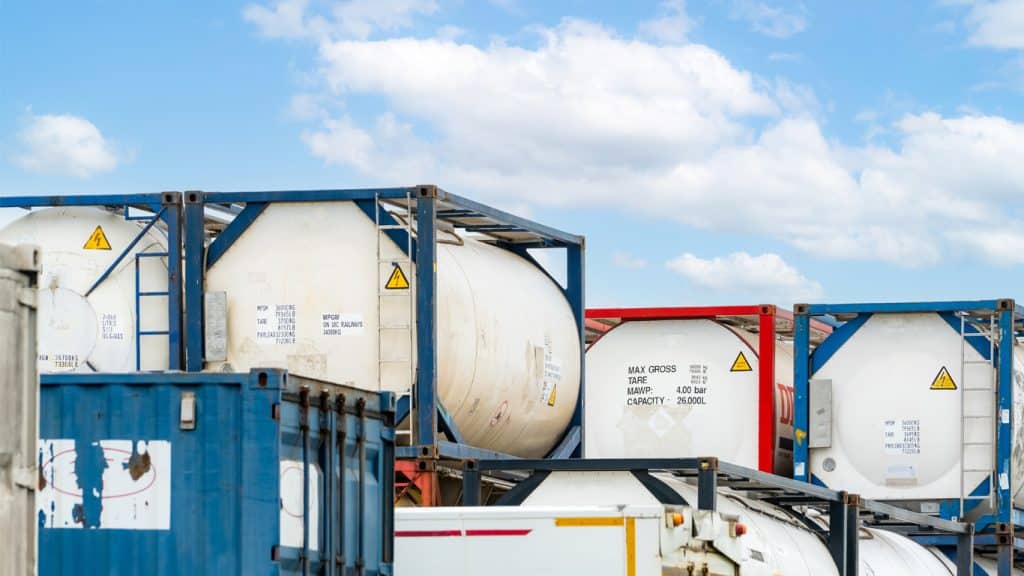
Engineered to meet global ISO (International Organization for Standardization) standards, ISO tank containers are purpose-built for liquid and gas transportation. These cylindrical tanks deliver unmatched versatility, safety, and efficiency for businesses moving liquid cargo
An ISO tank container is essentially a cylindrical tank that is typically housed within a standardized 20-foot or 40-foot frame. Its design allows businesses to ship liquids without the need to unload and reload across sea, rail, and road. ISO tanks are built to withstand the rigors of different transportation modes while keeping the cargo safe, which reduces the potential downtime of transfer operations.
Features of ISO Tanks
To safely transport a variety of liquids (some of which can be hazardous) across multiple modes of shipping, ISO tanks need to be reliable, which include:
- Durable Material Composition: Built from stainless steel with protective layers to resist corrosion, ISO tanks maintain the integrity of even the most sensitive cargo.
- Flexible Capacity Options: These tanks come in various capacities, ranging from 14,000 to 26,000 liters, tailored to meet diverse volume needs.
- Designed for Versatile Cargo: Whether carrying hazardous chemicals, food-grade liquids, or non-hazardous materials, ISO tanks provide secure containment for a wide range of commodities.
- Cargo-Specific Functionality: For added flexibility, ISO tanks can be customized to suit specific cargo requirements, such as pressurization, heating, or refrigeration.
Intermodal ISO Tanks and Rail Shipping
Rail shipping is one of the most cost-effective and sustainable transportation modes over long distances. Pairing ISO tank containers with rail logistics maximizes efficiency by streamlining operations while minimizing risk. Their compatibility with intermodal systems (such as rail and truck) provides shippers with easier transitions, reducing the time and labor cost associated with manual handling.
Industry Applications for ISO Tanks
ISO tanks’ versatility and specialized design make them the go-to choice for shippers seeking a reliable solution. Here’s some examples of commodities and products ISO tanks excel at handling:
- Chemical Industry – Acids, solvents, and petrochemicals
- Food & Beverage – Wine, edible oils, fruit juices, and syrups
- Pharmaceuticals – Sterile or temperature-sensitive liquids
- Gases – Pressurized ISO tanks for industrial gases

Why Choose ISO Tanks Over Drums or Flexibags?
When compared to other methods of transporting liquid commodities, such as drums or flexibags, ISO tank containers offer superior efficiency, cost savings, safety, and sustainability.
ISO Tank Efficiency
A single ISO tank can carry up to 26,000 liters of liquid, equivalent to roughly 80 drums. This increased volume minimizes handling, accelerates supply chain optimization, and keeps operations moving.
ISO Tank Cost Savings
With ISO tanks, fewer containers mean fewer costs. By consolidating liquid shipments into one high-capacity tank, shippers reduce freight, handling, and storage expenses. The result is a more efficient supply chain at every stage, which reduces costs in every aspect of logistics.
ISO Tank Safety
ISO tanks are specifically engineered to safely transport corrosive or volatile substances with minimized risk of leaks or contamination. Their robust construction ensures regulatory compliance, while keeping the cargo safe from outside temperature, humidity, weather conditions, and more.
ISO Tank Sustainability
Reusable for up to 30 years, ISO tanks significantly reduce reliance on single-use alternatives like flexibags, which contribute to plastic waste.
Intermodal ISO Tank Advantages
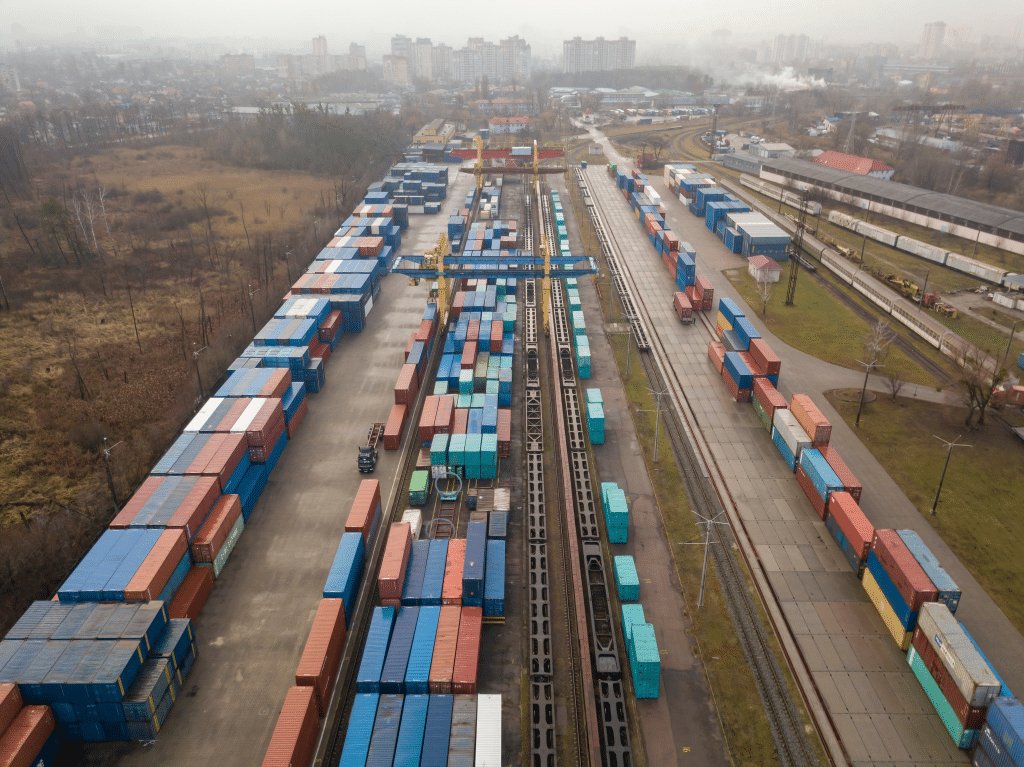
Because ISO tanks comply with ISO dimensions, they can be transferred seamlessly between ships, trains and trucks without needing to manually transfer cargo. This specialized benefit provides benefits, including logistically and environmentally.
Reduced Handling Time and Risk
ISO tanks reduce the complexity and frequency of cargo handling. With fewer touchpoints, the potential for damage and contamination drops dramatically.
Streamlined Customs Processes
When it comes to international shipping, ISO tanks ease the burden of customs. Their standardized dimensions facilitate quicker and smoother customs clearance.
Reduced Emissions and Sustainability
ISO tanks support environmentally responsible logistics, particularly when it comes to cross-ocean supply chains. By enabling direct intermodal transport, they help optimize shipping routes, reducing unnecessary detours and handling. This efficiency translates to lower emissions in cross-ocean shipping, rail, and truck.
Reusability Reduces Waste
Unlike single-use containers, ISO tanks are built for repeated use, drastically cutting down landfill waste.
Fewer Empty Return Trips
Efficient intermodal logistics reduce the need for empty container repositioning. ISO tanks streamline route planning and minimize unnecessary travel, saving fuel and cutting emissions.
Designed for Green Logistics
ISO tanks integrate seamlessly with alternative fuel-powered transport and green logistics platforms.
Emerging Trends in ISO Tank Technology
Innovation in ISO tank technology is reshaping how shippers approach their supply chain logistics. At RSI Logistics, our rail logistics experts stay ahead of trends to ensure rail shippers benefit from the latest advancements.
Integration with Rail Transportation Management Systems (Rail TMS)
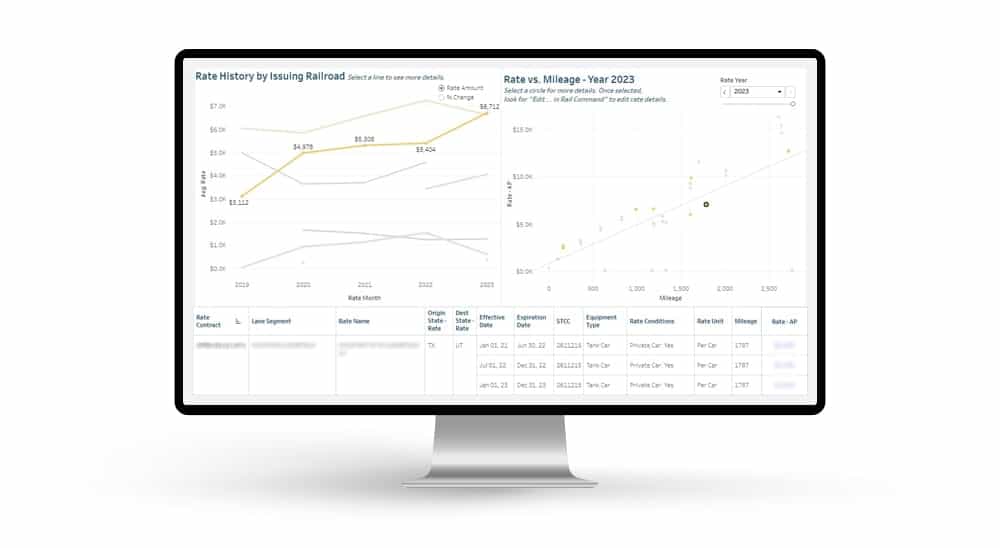
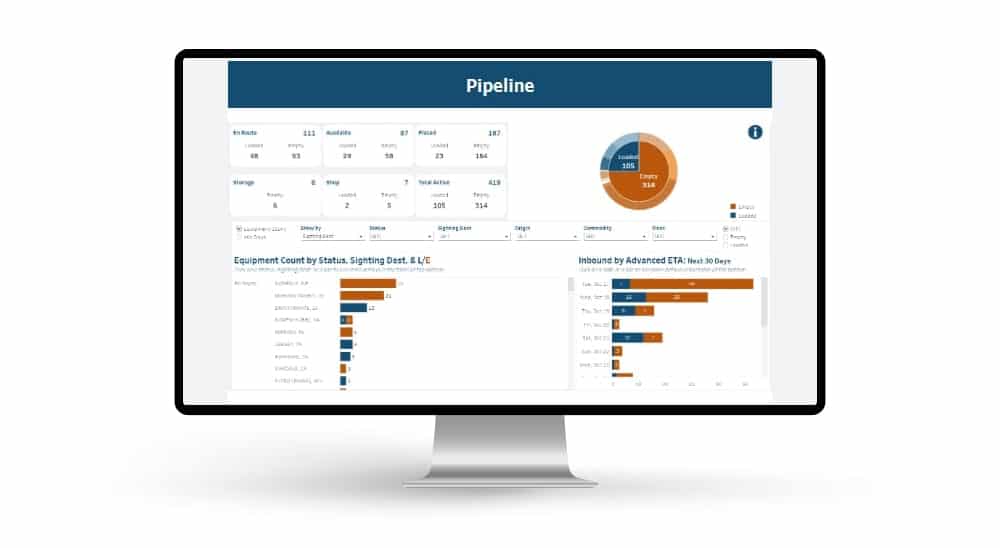
Modern Rail TMS platforms like Rail Command® take ISO tank utilization to the next level. By integrating ISO tanks into these comprehensive systems, shippers can gain visibility across their supply chain. This improved data visibility and accuracy enables faster, smarter decisions that minimize inefficiencies and lower costs.

Optimize Your Bulk Liquid Transport with RSI Logistics
We transform bulk liquid shipping with our ISO Tank Management Service, leveraging Rail Command for complete data visibility and management. Our rail logistics experts assess your needs to craft tailored solutions that reduce costs and meet delivery schedules.
Through managing all segments of the intermodal shipment, we can control various activities from just-in-time delivery requirements to establishing unique pickup and delivery schedules. Whether we supply your ISO tanks, or they are privately supplied, we provide daily status updates and will minimize your accessorial charges and other expenses.
Partner with RSI Logistics for streamlined, cost-effective bulk liquid transport. Contact us today to optimize your supply chain.