We have seen an increase in businesses interested in exploring the potential of shipping by rail. As the trucking industry deals with unpredictable highs and lows, many companies are considering rail as a more cost-effective alternative to trucking. Rail is an excellent mode of transportation presenting numerous advantages, like cost savings, stability, environmental impact, and safety. We put together this blog post to provide some simple instructions and tips about how to ship by rail for beginners. We’ve updated this blog post in 2026 to give you more information and additional tips.
⏱️ Quick Summary: How to Ship by Rail for Beginners
To determine if shipping by rail is right for your business, evaluate these four main factors from the article:
- What Commodities Are You Shipping? Consider your commodity type. Dry bulk moves on manifest trains, finished goods use intermodal containers, and bulk liquids require specialized cars.
- Distance and Costs: Rail is most cost-effective over long distances, making it an ideal choice for movements longer than 400 miles.
- Origin and Destination: Check if your locations are rail-served. If not, you will need to utilize transloading to transfer goods between trucks and railcars.
- Railcars and Volume: High volume spreads out costs. You must decide between using railroad-provided “system cars” or purchasing/leasing your own.
What Commodities Are You Shipping?
The first thing to consider for beginners when shipping by rail is the type of commodity that you are thinking about moving via rail. The products that you will move are a major factor in determining which modes of shipping are appropriate! The commodity being moved is the foundation and basis for your rail shipment, and as a result, this is the starting point. So, let’s talk about the details of the commodity you will be shipping and the important questions to ask.
Time-Sensitive Commodities
Is your commodity time sensitive?
Although rail is an excellent way of moving bulk commodities over great distances, it is also considered one of the slower modes. The rail network is rigid and delays resulting from weather events, derailments, embargoes, and more, can have a ripple effect on the entire North American rail network. For example, weather issues in the New Orleans area can result in delays to rail traffic in the Chicago area. Managing these sudden delays requires dedicated supply chain oversight. To minimize disruptions, companies often partner with specialized rail logistics and management services to actively monitor shipments and resolve transit exceptions before they impact operations.
Though it also depends on the distance, rail loads often take two weeks or more to make it to their destination. For this reason, time-sensitive loads may not be ideal for rail.
Commodity Type
Most commodities can move via rail, but your specific product will influence which type of rail transportation makes the most sense for your operation. Rail shipments generally fall into three categories:
-
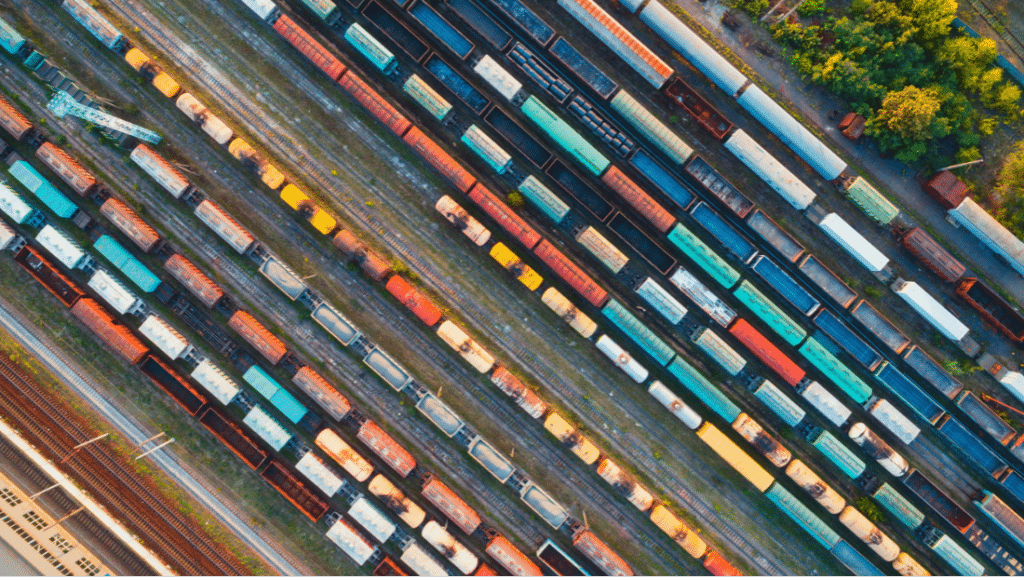
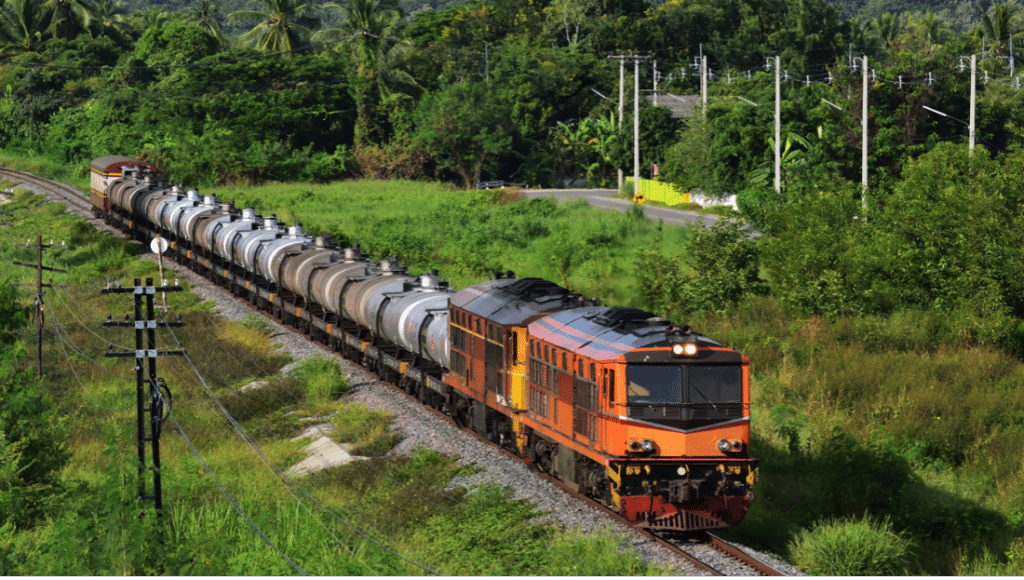
Carload Shipping (Manifest Trains): Manifest trains are mixed freight trains carrying goods from multiple shippers to multiple destinations, stopping at various rail yards along the way to add or remove cars. This option works well for high-density commodities — dry bulk goods, liquids, lumber, steel, plastics — that are costly or impractical to move by truck. This option requires the shipper to invest in either a rail-served facility or have access to transloading services.
-
Intermodal Shipping: If you’re moving finished goods — consumer products, retail merchandise, electronics — intermodal shipping is likely your best fit, especially if you’re already using containers or trailers. It’s also a low-barrier way to get started with rail, since it doesn’t require a rail-served origin or destination and can serve as a viable alternative to trucking.
-
Unit Trains: Unit trains are dedicated trains moving a single commodity group like coal, crude oil or sand from one origin to one destination without stopping to sort or swap cars at intermediate rail facilities. Because they typically run 80+ cars, this option is typically reserved for high-volume shippers with consistent, large-scale demand and significant rail infrastructure to load and unload the product efficiently.

Distance and Costs
Rail transportation has been shown to be cost effective over long distances, thanks to fuel-efficient trains. In fact, on a single gallon of gas a train can move one ton of freight almost 500 miles!

Origin and Destination
Another important detail to consider when looking at the distance of your move is where your move begins and where it ends.
Because rail shipping relies on tracks that have already been placed, and cannot easily be removed or changed, rail transportation is limited to certain routes. If where your supply chain begins and ends is not rail served, you will have to figure out how to get your commodities to and from railcars.
One method to accomplish this is transloading. Transloading is when goods are transferred from one mode of transportation to another. For rail, that normally means taking something from a railcar and placing it into a truck, or vice versa. For example, let’s say your origin location is rail served but your destination is not. In this scenario you can load directly to railcars at your origin, but you will need to use a transload facility near your destination, so the product can be transloaded to truck for the final move to your destination. You can easily find and qualify local facilities across the country using our interactive rail transloading map.
Railcars and Volume
In addition to your routes and commodities, it’s also critical to consider the volume of goods you’re moving. One railcar can carry about four truckloads worth of goods. If you have a high volume of goods over long distances, rail will generally be ideal. A high volume of goods will also spread out the costs of railcar ownership or leasing costs.
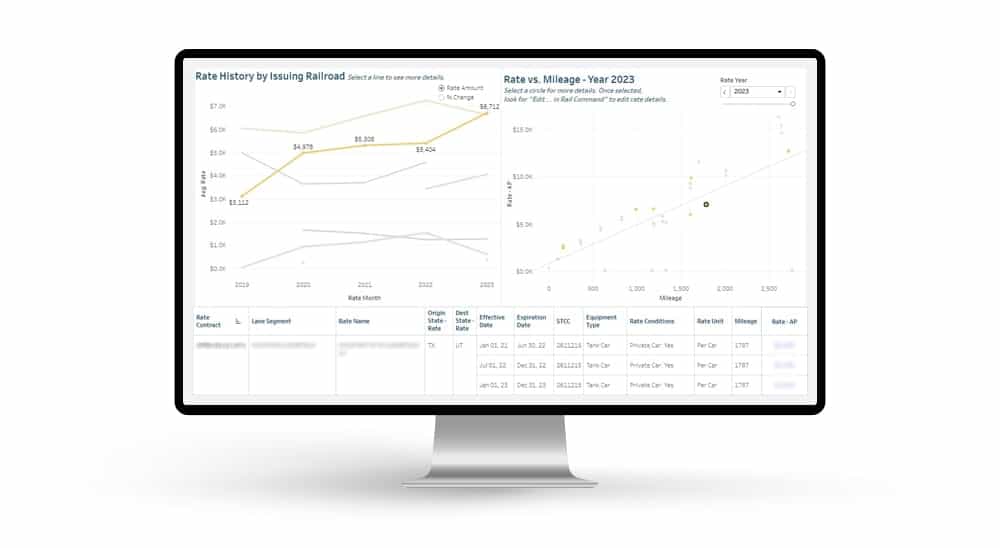
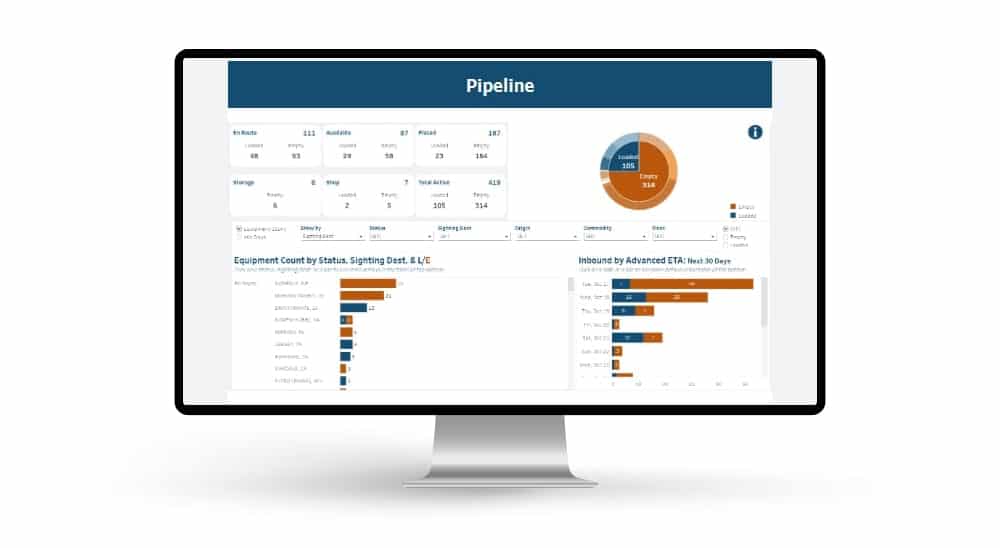
Managing these high-volume fleets can quickly become complex, which is why shippers rely on an integrated rail transportation management system (Rail TMS) like Rail Command® to easily optimize transit cycles, monitor dwell times, and streamline fleet utilization.
How to Get Railcars
If you are interested in starting in rail shipping, you may still be wondering where to obtain the railcars you need.
This answer depends on multiple variables. Railcars can be purchased, leased from railcar manufacturers and owners, or supplied by the railroad. If you anticipate consistent rail volume, you may prefer to lease or purchase your own railcars, instead of using railroad provided railcars. The type of commodity you’re shipping will also influence this decision, which we’ll discuss in a later section.
If you anticipate infrequent movements via rail, your better option may be to use railroad-provided railcars, also known as system cars. These are one-time use railcars that you pay for as part of the freight rate.
An Example: Shipping From Houston to Cleveland

Let’s take a look at an example. Let’s consider the movement of a bulk commodity from Houston, TX to Cleveland, OH. To ship by truck in this example lane, the costs would amount to approximately $5,159 per load, whereas rail would be $6,676 per car. However, you also have to consider the volume of goods you’re shipping. Since one railcar equals four truckloads, you must apply the ratio of 1:4. This amounts to a truck cost of about $215 per ton, and a rail cost of only about $70 per ton. This will vary somewhat depending on whether you are leasing railcars, using railcars you own, or using system cars.
To help visualize potential cost savings, look at how a typical long-distance shipping lane compares when moving high-volume freight in our table.
| Metric / Cost Component | Truck Shipping | Railcar Shipping |
|---|---|---|
| Base Freight Cost (Lane) | $5,159 per load | $6,676 per car |
| Capacity Equivalent | 1 Truckload (24 tons/shipment) | 4 Truckloads equivalent (95 tons/shipment) |
| Total Volume Cost Equivalent (4 Truckloads) | $20,636 | $6,676 |
| Estimated Cost Per Ton | ~$215 / ton | ~$70 / ton |
Railcars and Commodities
Other variables to help beginners ship by rail is to consider your commodity type, and railcar type. System cars may not be available to ship certain commodities. Instead, you may need to lease or purchase railcars. Determining the right railcar for your goods involves evaluating your product’s physical state, safety regulations, and environmental sensitivities. To help you navigate this, consider the following: :
How to Identify Your Railcar Type
- Evaluate Your Physical State (Liquid vs. Dry Bulk):
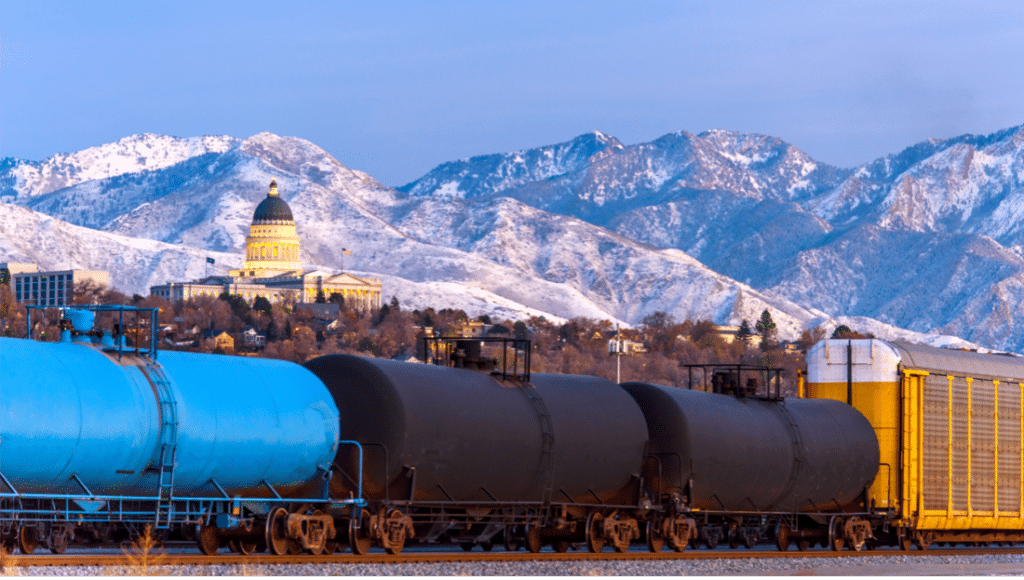
Are you shipping a dry bulk product, liquid or gas? Dry bulk products like grain, plastic pellets or sand often move in covered hoppers, heavy bulk materials like coal and aggregates often move in open hoppers or gondolas. Liquids including chemicals, ethanol, refined products and food-grade products are transported in tank cars – and depending on the commodity may need general service cars or specialty tank cars while liquified gases require specialized pressure tank cars. Finished goods and packaged products will typically move in boxcars, and there are other car types such as autoracks for finished vehicles, center beam flat cars for wood products, and more. Hazardous materials may require specialized features within a railcar family. - Consider Capacity Requirements:
Railcars may come with various capacities to accommodate commodity requirements. A heavier commodity might be moved in a smaller car to maintain safety requirements and maximum capacity limits. - Evaluate Loading and Unloading Infrastructure:
Understanding the loading and unloading characteristics may also impact design features of your railcar as they, along with facility infrastructure may dictate gate options, length and height requirements, and other design features of your railcar.
Railcar manufacturers, leasing experts and the railcar owner that you are working with can help you determine the best option for your specific requirements.
Take Advantage of Rail Shipping
Should you take advantage of shipping by rail?
Rail is an incredible mode of transportation due to its ability to transport a massive amount of goods at one time. In fact, when comparing railcars vs trucks, one railcar is typically able to handle 3-4 truck loads worth of goods! However, due to trains moving massive amounts of goods for many companies at one time, trains are forced to stop though during transit to both add and remove cars. This contributes to rail shipments being slower than truck shipments.
One aspect of rail that is similar to trucks is the freight rate process. In rail, your volume may impact the overall rate you are given by the railroads. If you have significant volume, you may have the leverage to negotiate freight rates with the railroads. Or, if you are not able to negotiate private freight rates, you will be required to ship on a railroad’s public rate, also known as tariff rates.
If you are contemplating a new rail-served location, you should consider selecting a location with access to more than one railroad. This will give you leverage in negotiating rates because your location is now competitive, meaning you have more than one rail carrier you can ship with.
Frequently Asked Questions About Rail Shipping
What is the minimum distance where rail shipping becomes cost-effective?
▼
Generally, rail shipping becomes highly cost-effective for lanes longer than 400 miles. On shipments shorter than 400 miles, the fixed terminal and handling costs from railroads can diminish the overall savings relative to standard over-the-road trucking. Navigating these economics requires careful analysis, which is why many shippers utilize advanced rail rate analysis software to systematically audit and compare transport costs.
Can I ship by rail if my warehouse doesn’t have railroad tracks?
▼
Yes, absolutely. If your facility (or your customer’s warehouse) is not directly rail-served, you can utilize a process called transloading. Freight is trucked to a local transload terminal, seamlessly transferred into a railcar, and shipped the remaining distance by train. You can locate and qualify over 400 sites across North America using our interactive rail transloading map.
How can I track a railcar during transit?
▼
Shippers can monitor car progress manually through individual carrier portals, or partner with a 3PL that offers a unified rail transportation management system to consolidate tracking updates across all rail networks. Some shippers are also starting to use GPS and other sensors to track location and condition of the railcar.
Final Thoughts
If you’re one of the many shippers who is considering rail for the first time, welcome! Although there is a learning curve to rail shipping, your cost savings can be significant. Before you jump in, consider the product, distance of the move, rail access, and railcar requirements.
If you find yourself unsure of where to start, don’t worry. Here at RSI Logistics, we can help you get started in rail shipping! Our experienced staff is able to guide you through the process. Reach out to find out more.