Are you struggling to reduce rail freight costs? You’re not alone, as many shippers face similar challenges when it comes to managing expenses in rail transportation. Rail is one of the most cost-effective modes of transportation for North American bulk and long-haul freight. However, even the most efficient rail networks and supply chains include costs that can quickly escalate without active management. Logistics activities, such as managing billing and accessorial charges (like demurrage), tracking freight across rail networks, and executing shipments, require careful oversight to prevent unnecessary expenses. Addressing these elements with the right tools and knowledge can be the deciding factor between controlling costs and letting them balloon out of control.
Fortunately, there are proven strategies that can help shippers reduce rail freight costs while boosting overall efficiency. The rail logistics experts at RSI Logistics have gathered five of the most impactful approaches to help you get started.
Table of Contents
- Leverage Rail Rate Analysis Tool
- Execute Shipments from a Rail TMS
- Reduce Accessorial Charges
- Monitor Asset Management
- Consider Managed Services
One – Leverage Rail Rate Analysis Tools
Rail freight rates can vary significantly depending on factors such as the lane (the specific route between an origin and destination), the carrier, market conditions, and the type of commodities being shipped. When preparing for rail rate negotiations, many shippers rely on historical data, past negotiation experience, and market knowledge gathered from inquiries – manual methods that require a substantial time investment.
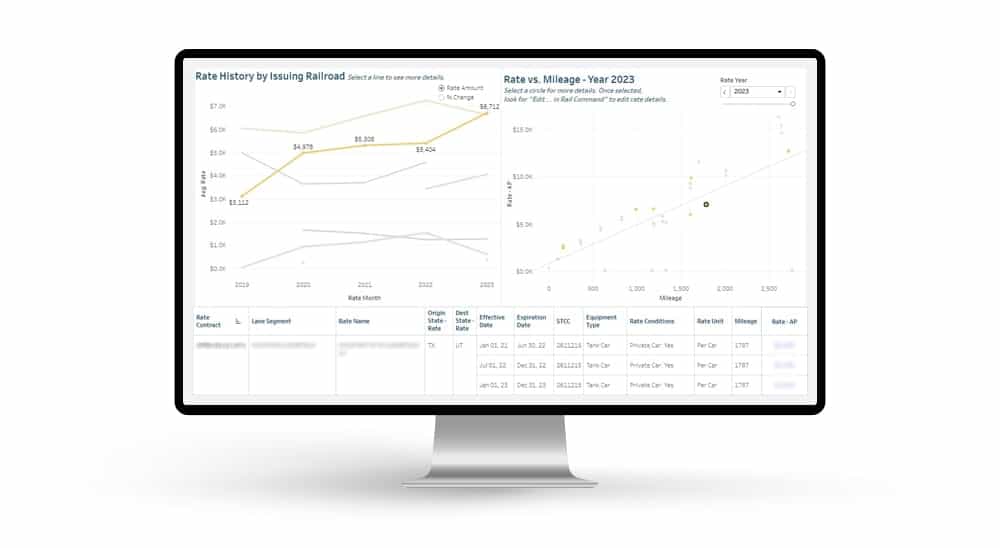
Using a rail rate analysis tool can help reduce the time spent on these manual tasks and improve accuracy. Rail rate analysis tools, like Rail Impact®, are designed to support rail rate professionals by offering features such as rate benchmarking (comparing current rates to industry standards or historical data), evaluating routing options, and analyzing carrier costs and margins (the difference between what it costs the carrier to move freight and the price charged to the shipper). By leveraging these tools, rail rate professionals can prepare more efficiently and make better-informed decisions during negotiations.
Two – Use a Rail TMS to Execute Shipments from One Place
One of the fastest ways shippers lose control of time and costs is by managing shipments across multiple systems, spreadsheets, and carrier portals. This lack of a centralized, automated process creates inefficiencies, duplicate work, and missed opportunities for automation.
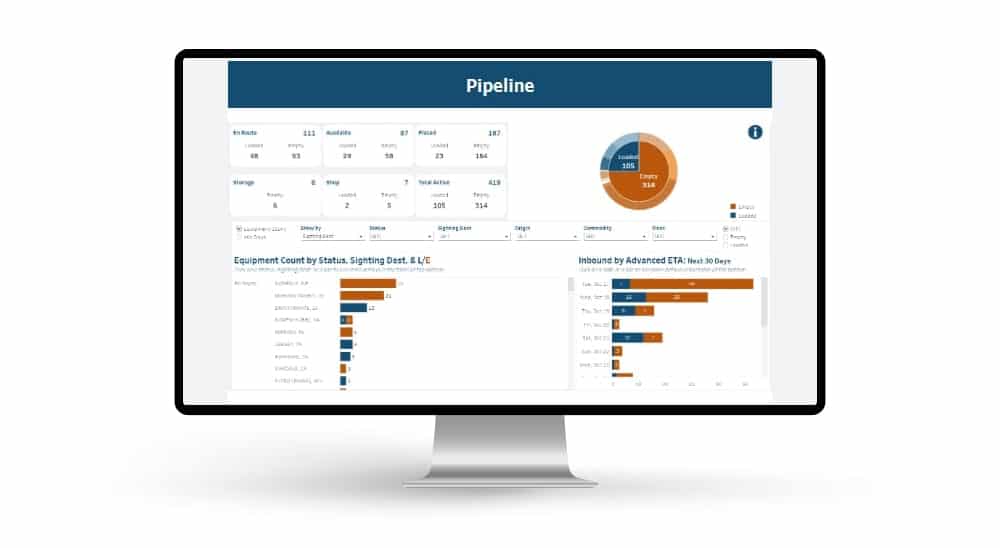
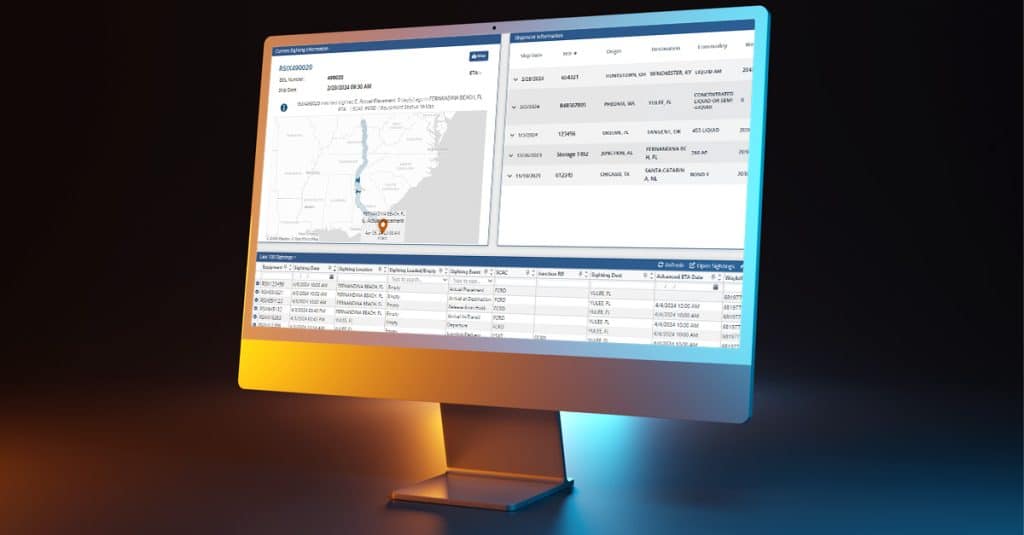
A Rail Transportation Management System (Rail TMS), a digital platform that streamlines rail logistics operations, brings all shipment execution tasks into a single platform. These platforms, such as Rail Command®, store all shipment details, flags potential errors during shipment creation, and monitor EDI acknowledgements (automated Electronic Data Interchange (EDI) messages confirm receipt of an original transaction and report errors or acceptance). By eliminating the need to manage multiple systems, a Rail TMS streamlines execution and connects it with other features like shipment visibility, scheduled reporting, and automated data visualizations. This integration saves significant time on shipment management and reduces the daily workload for logistics professionals.
Three – Reduce Accessorial Charges
Accessorials like demurrage, detention, and switching fees are some common rail freight expenses that shippers often don’t realize could be reduced. They’re often seen as the cost of doing business with rail freight, but with the right tools, planning, and visibility, they can be more controlled and potentially lowered.
Begin with monitoring dwell times and identifying where railcars are spending the most time waiting. Improving loading and unloading processes, ensuring facilities are properly staffed, and coordinating more closely with carriers can dramatically reduce excess time on site.
Technology also plays a role: a Rail TMS can help dispute demurrage charges by making it easy to monitor how long railcars have been at a location, or track diversions. By proactively monitoring supply chains and managing these costs, shippers not only could save money but also keep their rail operations running smoothly.
Four – Monitor Railcar Maintenance and Lease Management
Railcars are significant assets, and missing oversight of maintenance or leasing terms can quickly drive up costs and disrupt supply chains. For instance, a delayed inspection could result in a railcar breakdown during peak shipping season, causing costly delays and emergency repairs. Delayed inspections, unplanned repairs, and underutilized leased equipment all translate to wasted spend.
By closely monitoring railcar health and maintenance schedules, shippers can catch small issues before they disrupt operations or plan to send cars to a maintenance facility (sometimes called a “shop”) prior to critical periods. A Rail TMS makes this process more efficient. Rail TMS platforms such as Rail Command often include databases for railcar maintenance and lease management tracking, and by connecting these tools with data visualizations and other aspects of rail logistics in one system, manual time can be reduced and potentially costly errors resolved. By integrating maintenance tracking and lease management into one system, shippers can proactively reduce rail freight costs.
Five – Streamline Costs with Managed Services
Managing rail freight effectively requires constant oversight, specialized knowledge, and the ability to adapt to changing conditions. For many organizations, these demands can stretch internal teams thin. This is where rail logistics management services come in.
By outsourcing rail logistics to dedicated specialists, shippers gain access to industry expertise and tools without having to build or maintain the capability in-house. Management services teams can handle the logistics, from monitoring carrier performance and analyzing data to coordinating shipments and managing exceptions, so that operations stay efficient and costs remain under control.
One of the biggest advantages of this approach is flexibility. As volumes shift or supply chain priorities evolve, management services can scale to match, ensuring shippers don’t overcommit resources during slower periods or fall behind during peaks. Along the way, this allows internal teams to be able to focus on growing, rather than managing the day-to-day details.
Reducing rail freight costs doesn’t mean cutting corners. It means taking a smarter, more proactive approach to managing your rail supply chain. By leveraging technology, improving utilization, and working with the right partners, shippers can achieve meaningful savings while strengthening operations.
For over 40 years, RSI Logistics has helped rail shippers move smarter with the right mix of software, service, and industry insight. From our Rail TMS and Rail Rate Analysis solutions to our rail logistics Managed Services, we provide the visibility, expertise, and tools needed to optimize shipper’s rail supply chains.
Contact us today to see how RSI Logistics can help your rail supply chain.